

For years, rooftop solar was mainly about daytime savings and earning generous feed-in tariffs. Today, with Australian evening peak electricity tariffs sitting well above daytime solar export rates, home solar battery storage has shifted from a luxury upgrade to a practical way to lock in energy independence.
Why More Australian Homes Are Adding Battery Storage
During a sunny afternoon, a standard rooftop solar array generates far more electricity than an empty house consumes. Without a battery, that excess solar flows back to the grid for a modest feed-in tariff—and just a few hours later, your household buys electricity back at several times that price during the 4pm–9pm evening peak.
A properly sized solar battery bridges that gap by capturing unused daytime sunshine and discharging it seamlessly after sunset.
Key Advantages of a Home Battery System
- Slash Peak Evening Bills: Power cooking, lighting, heating, cooling, and entertainment throughout the night using stored sunshine instead of high time-of-use grid tariffs.
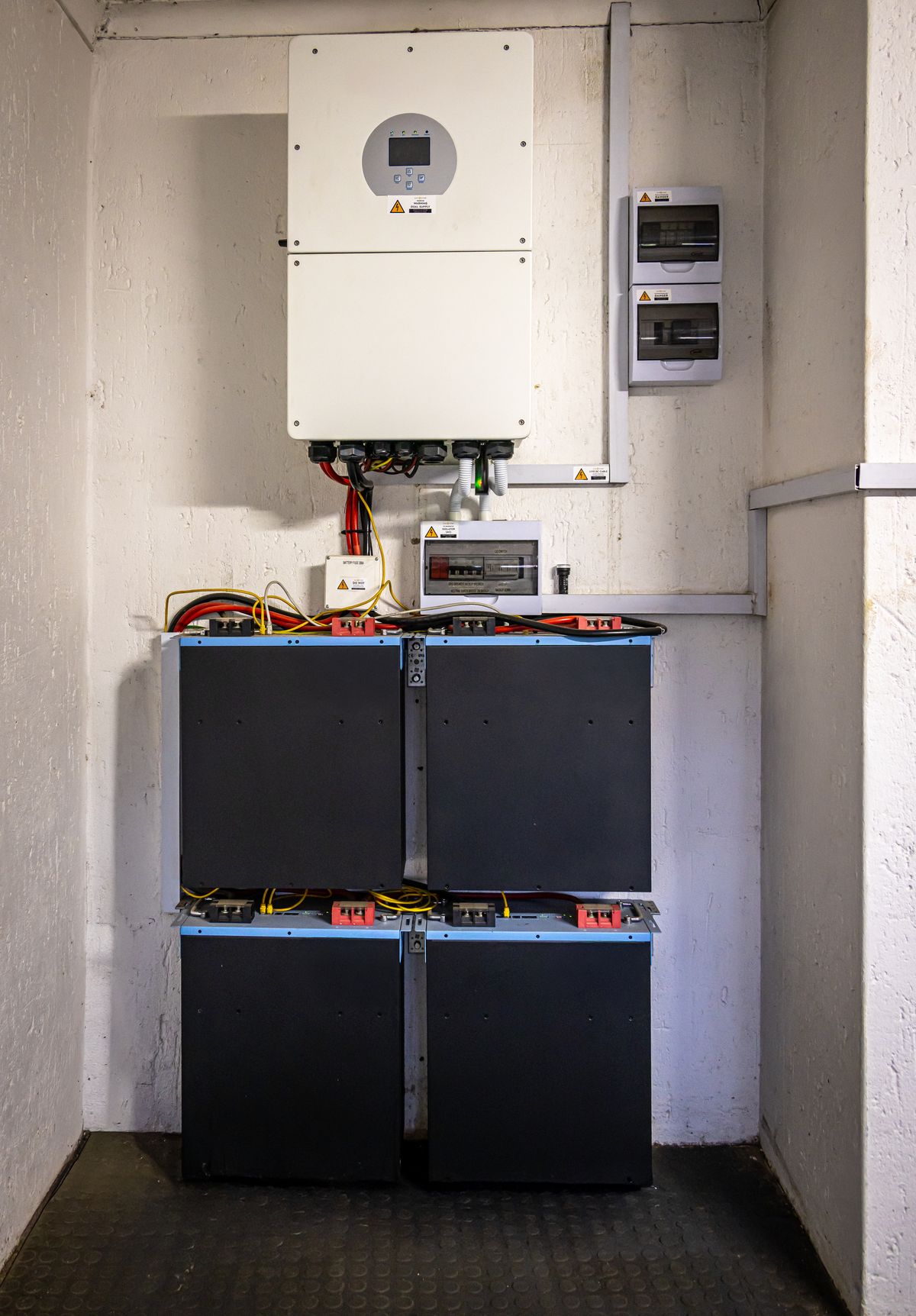
- Blackout Backup Protection: When paired with a backup gateway or hybrid inverter, a battery keeps essential circuits—such as your fridge, Wi-Fi, lighting, and medical equipment—running during grid outages.
- Maximise Grid-Scale Participation (VPPs): Virtual Power Plant (VPP) programs let eligible battery owners earn bill credits or bonus payments by sharing small bursts of stored energy during grid peak events.
- EV & Electrification Synergy: Combining solar, battery storage, heat pump hot water, and induction cooking dramatically cuts total household energy spend.
How to Choose the Right Battery Capacity
Batteries are measured in kilowatt-hours (kWh) of usable storage capacity. Matching capacity to your evening electricity usage—not just buying the largest unit available—ensures the best return on investment:
- 5 kWh – 10 kWh: Ideal for couples or smaller households looking to cover overnight base loads, lighting, refrigeration, and evening entertainment.
- 10 kWh – 15 kWh: The sweet spot for most Australian family homes running reverse-cycle air conditioning in the evening and morning routines before the sun hits the panels.
- 20 kWh+ (Modular / Stacked): Best suited for large all-electric residences, rural properties wanting extended blackout autonomy, or homes with substantial EV and pool heating loads.
Chemistry Matters: Most modern residential batteries sold in Australia use Lithium Iron Phosphate (LFP) chemistry, prized for strong thermal stability, long cycle warranties (often 10 years or 6,000+ cycles), and safe operation in warmer Australian climates.
AC-Coupled vs Hybrid (DC-Coupled) Batteries
If you already have solar panels installed, you can either retrofit an AC-coupled battery alongside your existing string or microinverter system, or upgrade to a hybrid inverter if your old inverter is nearing end-of-warranty.
If you are installing solar and a battery together for the first time, a hybrid system allows solar DC power to charge the battery directly with fewer conversion losses and a streamlined wall footprint.
Battery Installation Standards & Incentives
Home batteries involve high-capacity electrical storage and must comply strictly with Australian wiring and battery safety standard AS/NZS 5139 (including location rules away from habitable rooms and exit pathways). Always work with a licensed electrician who holds current Clean Energy Council battery design and installation accreditation.
Federal and state support—such as the Cheaper Home Batteries framework and state-based incentives in NSW, WA, VIC, and ACT—can also significantly lower upfront out-of-pocket costs when installed through approved providers.
Get Matched With Battery Specialists Near You
Want to see whether adding a battery or installing a combined solar-and-storage package stacks up for your electricity bills? Get Matched Free with up to 3 local battery specialists on SolarKonnect, or browse our solar & battery services.